Fuel prices across Australia are rising again in 2026, and many drivers are feeling the pressure every time they fill up. What’s making this situation more concerning is that the increase isn’t driven by a single issue—it’s the result of multiple global forces colliding at once.
From geopolitical tensions to supply disruptions, the reasons behind higher petrol prices are complex—and they’re not going away anytime soon. Understanding what’s happening now can help you prepare for what’s likely coming next.
What’s Causing Petrol Prices to Rise in 2026
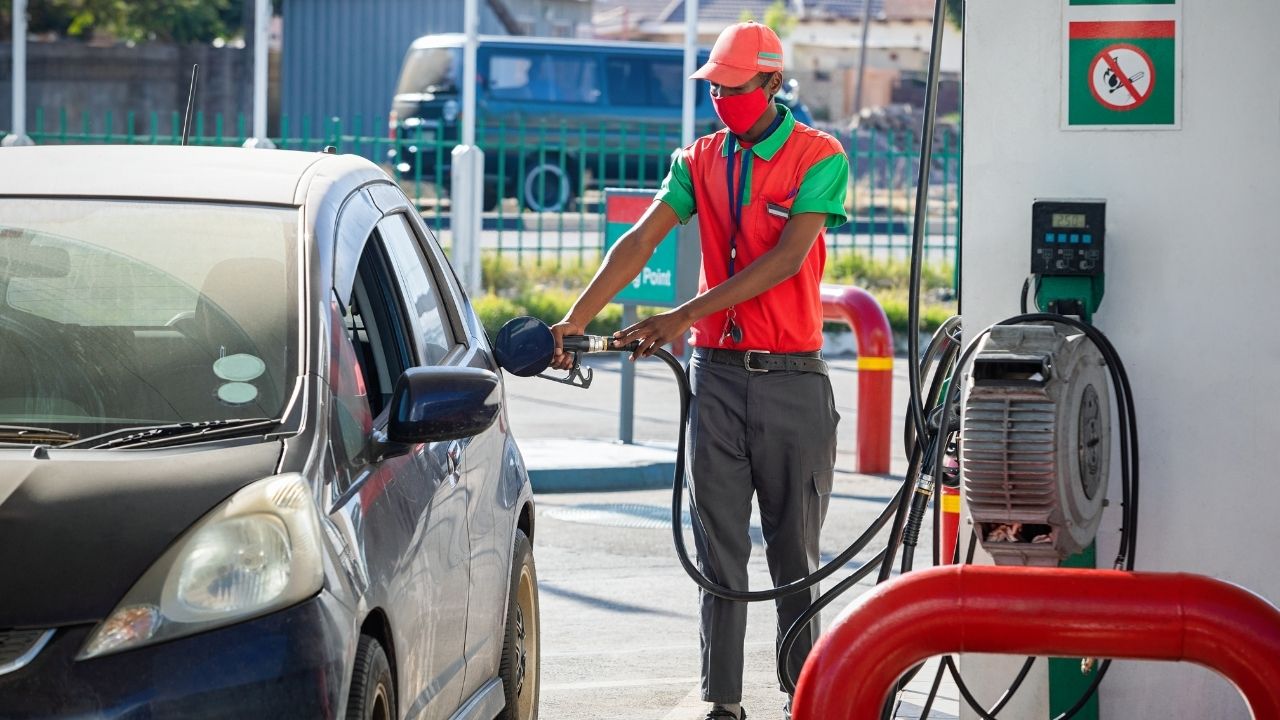
The sharp increase in petrol prices isn’t just a local issue. Australia is heavily influenced by global oil markets, meaning events happening thousands of kilometres away can directly impact prices at the pump.

One of the biggest drivers is instability in oil-producing regions. When conflicts or political tensions disrupt supply, oil becomes more expensive worldwide. On top of that, lingering supply chain issues and rising global demand are putting additional pressure on already strained systems.
Global Tensions Are Driving Up Oil Costs
Geopolitical instability, particularly in key oil-producing regions like the Middle East, continues to disrupt supply. When production slows or transportation routes are affected, global oil prices tend to spike quickly.
For Australia, which relies significantly on imported fuel, these disruptions translate almost immediately into higher petrol prices. Even small changes in global supply can lead to noticeable increases at local fuel stations.

Supply Chain Problems Haven’t Fully Recovered
Although the world has moved on from the peak of the pandemic, supply chain challenges are still affecting fuel distribution. Delays in shipping, refining limitations, and logistical bottlenecks continue to restrict how quickly petrol can reach retailers. This imbalance—where supply struggles to keep up with demand—creates a perfect environment for prices to rise. And until these systems fully stabilize, price volatility is likely to continue.
Demand Is Rising Faster Than Supply
As global economies recover and travel increases, the demand for fuel has surged. More vehicles on the road and increased industrial activity mean higher oil consumption worldwide. However, supply hasn’t caught up at the same pace. This mismatch is one of the key reasons petrol prices remain elevated, and it’s a trend experts expect to continue in the near future.
Inflation Is Making Everything More Expensive—Including Fuel
Inflation is another major factor pushing petrol prices higher. The cost of refining oil, transporting fuel, and operating petrol stations has increased significantly. These higher costs are passed down the chain, meaning consumers ultimately pay more. Petrol is just one part of a broader cost-of-living increase that many Australians are currently experiencing.

How the Government Is Trying to Ease the Pressure
The Australian government has introduced several measures to soften the blow for consumers, although these solutions are mostly short-term. One of the main steps has been reducing fuel excise during periods of high prices. This helps lower costs at the pump, but the relief is often temporary and depends on global conditions. In some cases, authorities have also considered price controls to prevent extreme spikes. At the same time, there’s a growing focus on long-term solutions, including investment in electric vehicles and renewable energy to reduce dependence on petrol altogether.
Why Rural Australians Are Feeling It the Most
While rising petrol prices affect everyone, the impact is far more severe in rural and regional areas. Longer travel distances and limited transport options make fuel a necessity rather than a choice.
Transporting fuel to remote locations also costs more, which further increases prices. For many households in these areas, petrol expenses are becoming a significant part of their monthly budget.

The Ripple Effect on Everyday Costs
Higher petrol prices don’t just affect drivers—they impact the entire economy. When fuel costs rise, businesses that rely on transport face higher expenses.
This often leads to increased prices for goods and services, including groceries and deliveries. In simple terms, expensive fuel can quietly push up the overall cost of living for everyone.
What Could Happen Next
Looking ahead, petrol prices are expected to remain unpredictable. Global tensions, supply constraints, and economic conditions will continue to influence the market.

While government measures may provide temporary relief, they can’t fully shield consumers from global trends. This means Australians should be prepared for ongoing fluctuations rather than a quick return to stable prices.
How Australians Are Adapting to Rising Fuel Costs
As petrol becomes more expensive, many people are changing their habits. Some are driving less, carpooling, or switching to more fuel-efficient vehicles.
There’s also growing interest in electric vehicles as a long-term solution. While the transition won’t happen overnight, rising fuel costs are accelerating the shift toward alternative energy options.

The Bigger Picture: A Shift in How Australia Uses Energy
The current petrol price surge highlights a larger issue—Australia’s reliance on global oil markets. As long as fuel supply depends on international conditions, price volatility will remain a challenge.
This is why the push toward renewable energy and electric transport is gaining momentum. While it may take time, these changes could eventually reduce exposure to global fuel price shocks.
FAQs
1. Why are petrol prices rising in Australia in 2026?
Petrol prices are increasing due to global oil supply issues, geopolitical tensions, rising demand, and ongoing supply chain disruptions.

2. Is the government doing anything to reduce fuel prices?
Yes, measures like fuel excise reductions and temporary price controls are being used, along with long-term investments in alternative energy.
3. Why are rural areas more affected by fuel price increases?
Rural residents travel longer distances and face higher transportation costs, making fuel a bigger financial burden.
4. Will petrol prices continue to rise?
Prices are expected to remain volatile, with fluctuations depending on global market conditions.

5. How do rising petrol prices affect everyday life?
They increase transportation costs, which can lead to higher prices for goods and services across the economy.
6. What can individuals do to save on fuel costs?
Options include driving less, carpooling, using public transport, or switching to fuel-efficient or electric vehicles.
7. Are electric vehicles a solution to rising petrol prices?
They can reduce dependence on petrol in the long term, but widespread adoption will take time.